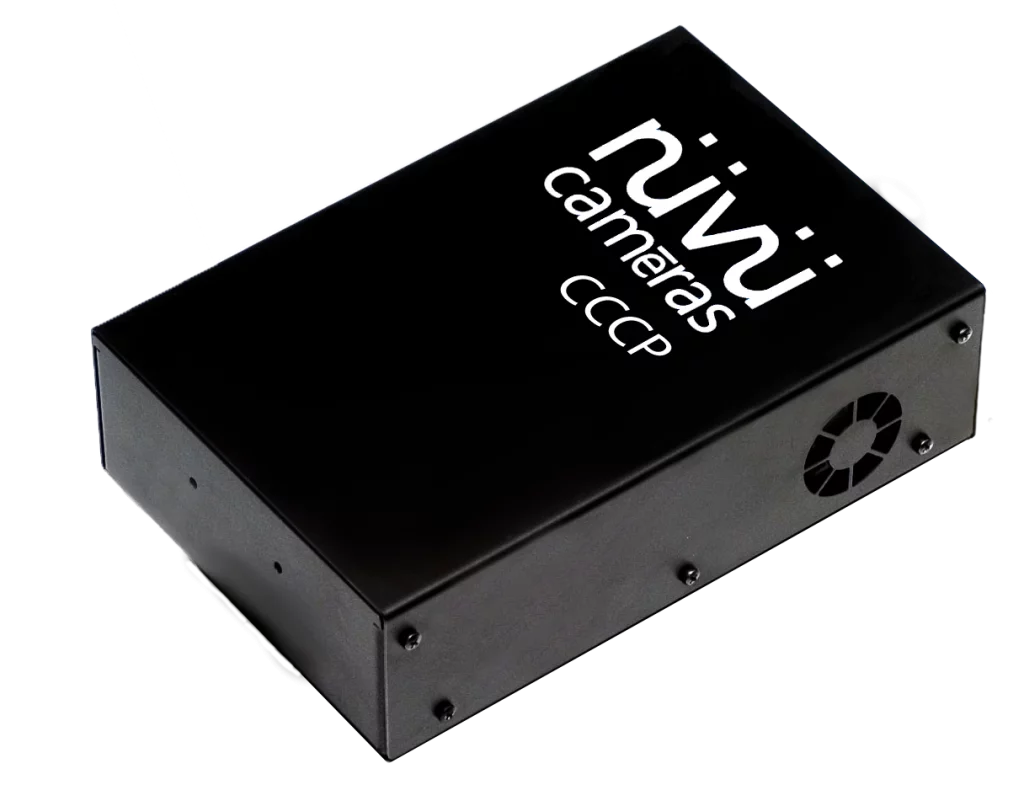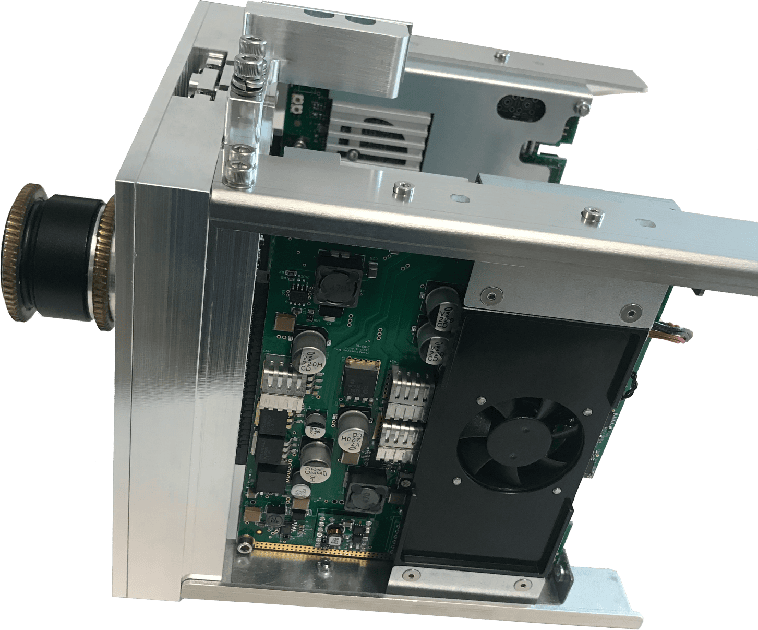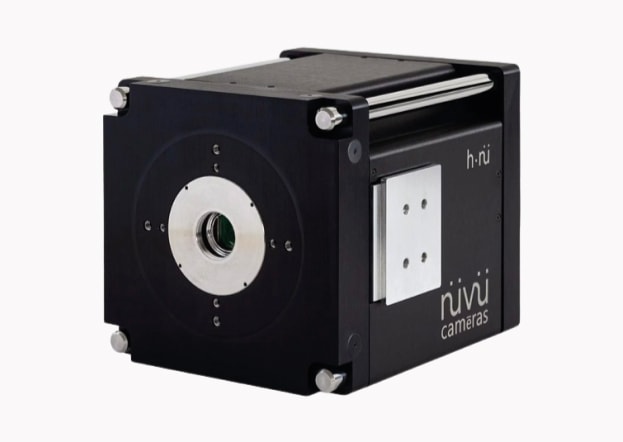
The nüSpace platform is a state-of-the-art imaging solution built to bring Nüvü’s signature electronics to nanosatellites, based on our design developed for NASA's flagship Nancy Grace Roman Space Telescope. With unmatched sensitivity and flexibility through customizable detectors (EMCCD, CCD, CMOS), optics & interfaces, the nüSpace camera platform enables novel mission goals.
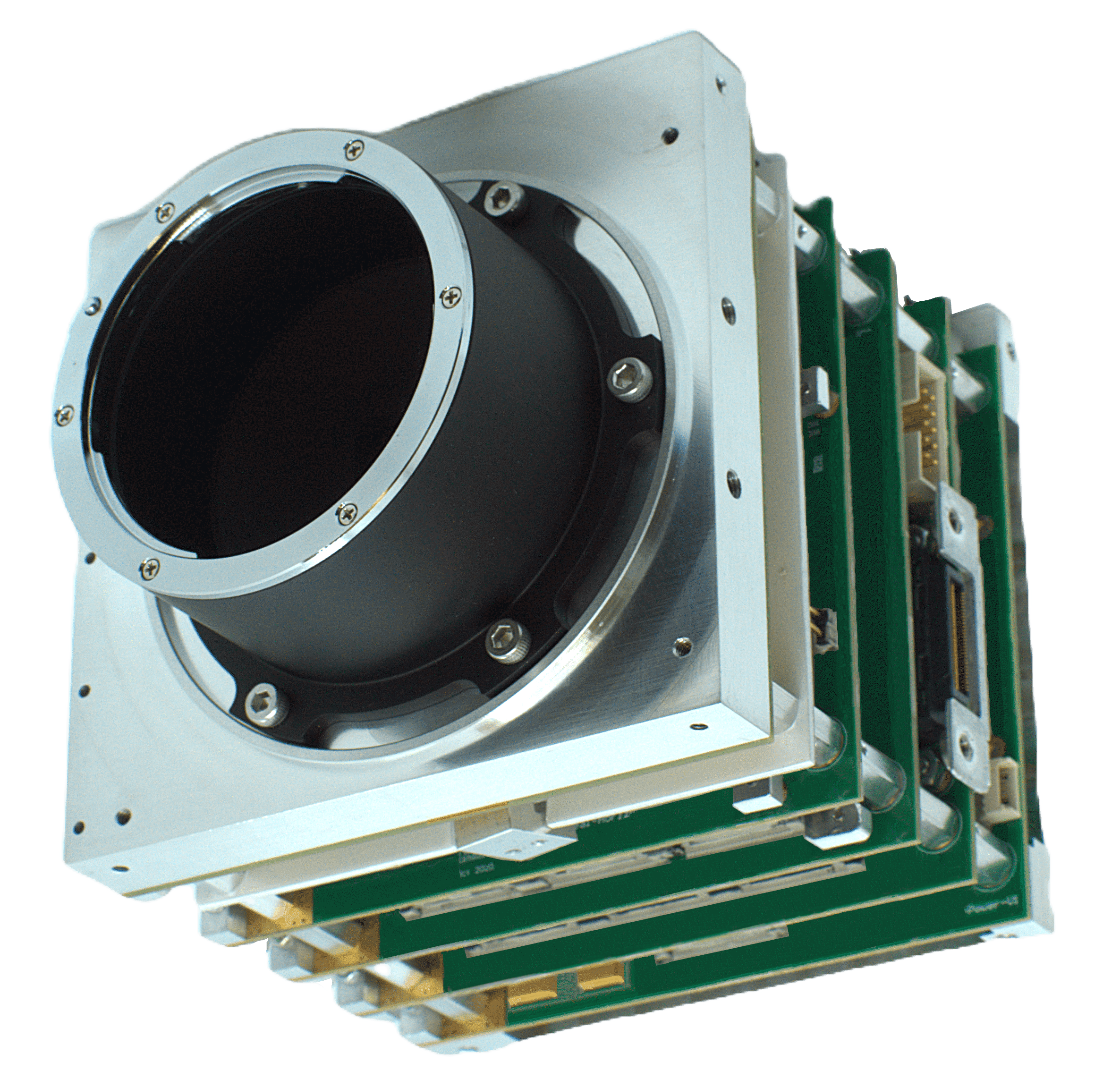
The nüSpace camera platform excels in both long exposure times for ultra-sensitive data collection and rapid capture rates. Made to fit in 1U for seamless integration into CubeSats & SmallSats, with a rad-hard design accounting for SEE (upsets, latch-ups), it is customizable from LEO to GEO & beyond and ready to meet various GSD & swath width requirements (with or without optics provided).
This versatility, coupled with minimal noise levels, rapid processing capabilities, specialized readout modes and extensive customization options, means Nüvü Camēras’ nüSpace offers a direct path to space flight in practically any project - from tracking space debris and monitoring Earth’s surface to capturing images of exoplanets in the quest for extraterrestrial life signs.
When used as a readout electronics solution, nüSpace also allows to save significant costs & time in supporting custom sensors, saving the need for in-house developments to achieve maximum performances for your next mission.
Thanks to top-of-the-line EMCCD and CMOS sensors support, the nüSpace platform is capable of single photon detection. This means you can image targets in night-time conditions while using very short exposures and working with high f-number optics which minimize your GSD.
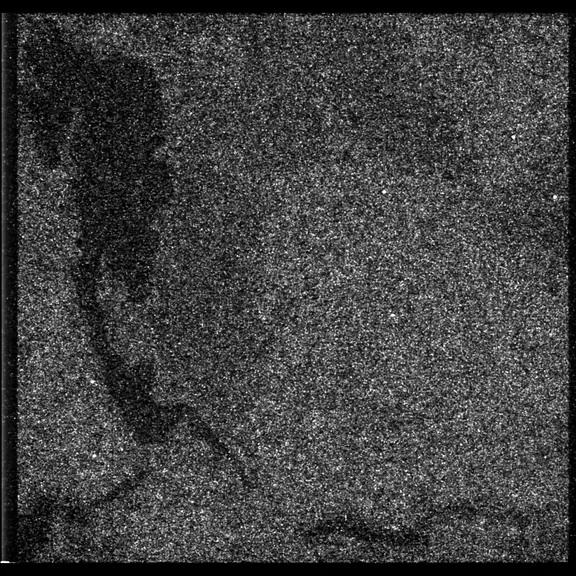
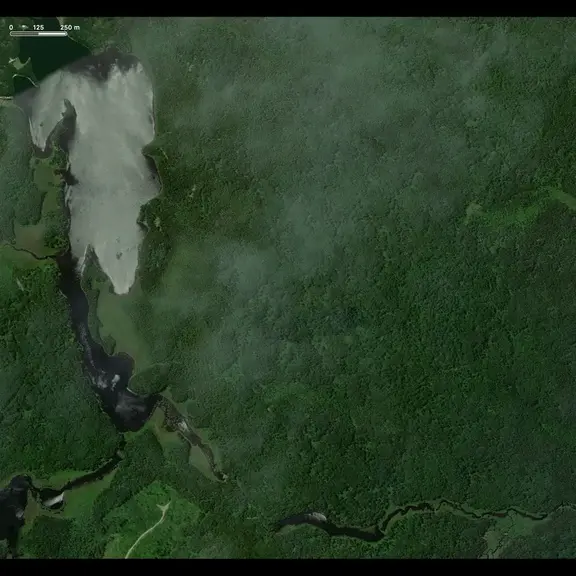
As an example the adjacent image was acquired with nüSpace in starlight-only conditions with f/11 optics, meaning extremely low signal. Looking at a comparative daylight image, it can be observed that the nüSpace image displays a clear contrast between ground and water, but also between deciduous and coniferous forest.
While the nüSpace camera is already available with multiple EMCCD (single & multi-output), CMOS & CCD detectors, most notably:
The nüSpace platform is highly flexible and Nüvü Camēras has a unique expertise in supporting new detector technologies. Nüvü Camēras has been bringing innovative imaging technologies to space with space agencies since its founding in 2010, and with the space industry since 2015.

We can help you accelerate your mission development by leveraging our expertise in supporting innovative sensors. You will achieve better imaging performances in less time, at reduced cost. The nüSpace platform incorporates the following:
The nüSpace platform has on-board processing capabilities to apply corrections & work acquired images to extract only relevant data from acquisitions.
For scanning applications, nüSpace features time-delay integration (TDI) imaging mode. TDI drastically increases exposure time compared to snapshot imaging, allowing much higher quality images of moving objects.
Nüvü also offers its exclusive High Dynamic Range mode which automatically adjusts camera parameters for continuous high quality imaging seamlessly both in broad daylight and starlight-only nighttime conditions, all combined with TDI capatibilites.

Any questions about EMCCD or low light imaging? Nüvü Camēras experts can provide advices on your low light imaging options.